Last updated on
It is a common issue for many homeowners to struggle with space throughout their homes, leading to an unwelcoming atmosphere that feels cramped with no flow between rooms. This issue is typically made by interior design choices that are actually creating a cramped, hard-to-navigate and cluttered space.
You may find this hard to believe because the square footage of a home is what makes it small or big, isn’t it? While this plays a role in how each room looks and feels, it’s actually what you put in the rooms and how you decorate them that does the most damage. The way you use color, light, furniture, and room layout significantly affects how spacious your home feels.
Now, you may be thinking how you can change this, and it may be difficult to see what you can do to your existing décor to transform your home (especially if your home is small).
Don’t worry as this guide on top design mistakes that make homes feel smaller and how to fix them helps you turn around your home and create a spacious, open, airy, and welcoming environment that you can’t wait to return to every day! Implement these small adjustments to enjoy the dream of a home that you can breathe in, that is stylish and comfortable.
Table of Contents
Overusing Dark Colors
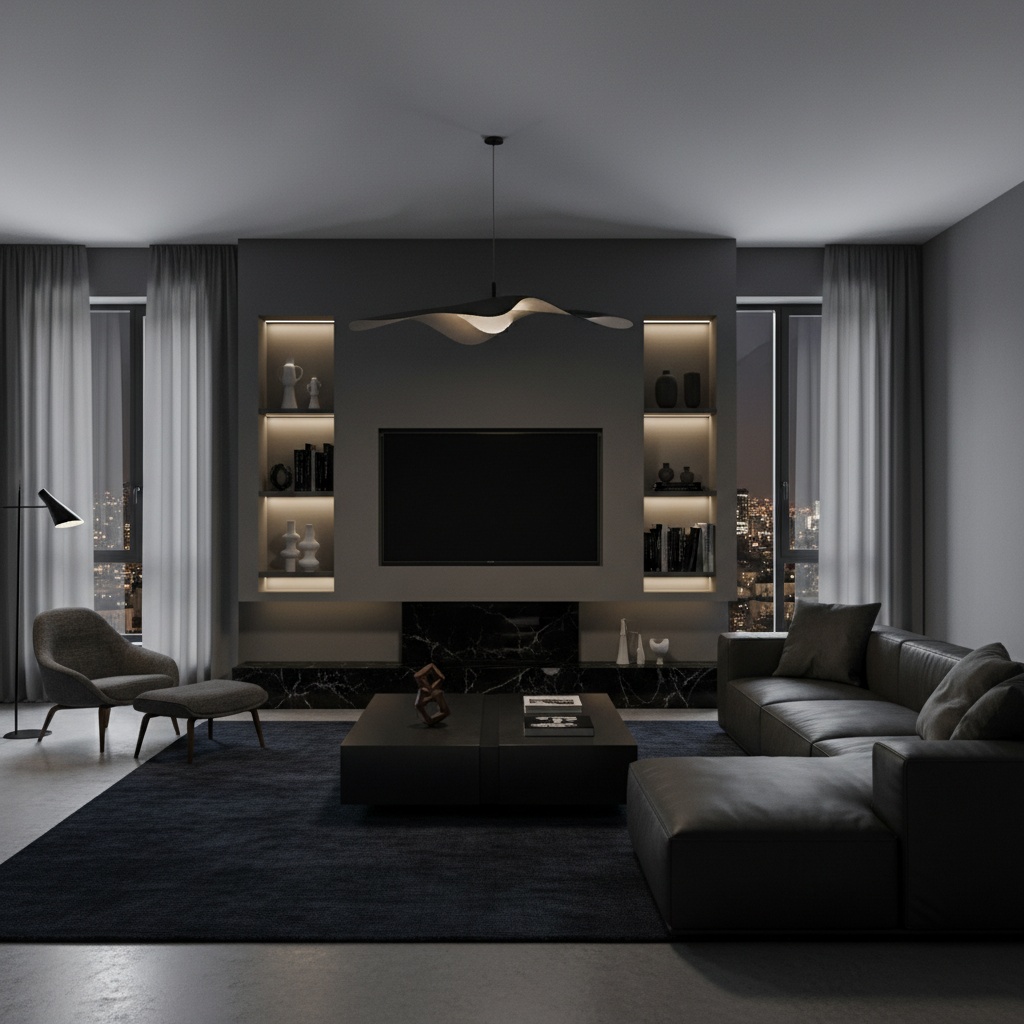
One of the biggest mistakes that many homeowners can make when they decorate their homes is relying on dark colors across every room.
Darker tones can help you create the atmosphere you want when used lightly and mixed with softer tones. Dark colors can add depth, drama, and coziness to a room if it is used smartly and to complement or contrast other color schemes.
However, if you rely on dark shades and use them across most rooms, you can end up closing your space in and making it feel compact. This is because when you paint your walls in deep shades, such as charcoal, navy, or forest green, you actually make your home absorb light. Having plenty of light in every room is what makes your home feel spacious and makes you feel like you can breathe, even if your home is very small. So, when light is absorbed, you instantly take away that feeling of openness.
If you have too many dark colors in your home, you can fix this by adding lighter and softer color palettes to balance the light absorption and help it reflect more around the rooms. You can put a lighter color scheme on most walls and leave the darker tones for a feature wall or accent piece, blended with dark and light furniture and décor pieces. Maintaining this balance is all about pairing darker elements with lighter walls, reflective surfaces, and carefully placed lighting to prevent the space from feeling enclosed. Neutral shades like off-white, pale gray, or soft beige can help bounce natural light and make the room feel larger without losing warmth.
Cluttered Layouts
The layout of your home is also a massive part of how enclosed your property feels and looks. If you have a cluttered layout that is very hard to navigate, it instantly makes any room feel tiny and cramped.
Clutter doesn’t have to be trash and messiness. It can also be too much furniture in one space that feels clumped together, creating a cluttered aesthetic and a cramped, heavy atmosphere. When a room has furniture filling most of the space, it can feel like there’s no room to breathe, never mind move! You lose a clear pathway to navigate from room to room, and movement can become restricted, making it feel impossible to move in and out of the space with ease.
A great way to combat this is to use the less is more trick. Have fewer furniture pieces in one room and pick larger items to still give you the same use of multiple furniture pieces together. Going larger with your furniture pieces, rather than many small items that crowd the space, can work wonders at creating a clear, spacious home. For example, a single sectional sofa often makes a living room feel more spacious than several mismatched chairs. Open shelving and streamlined storage solutions can also hide away daily mess, keeping surfaces clean and giving your room the breathing space it deserves.
Poor Lighting Choices
A powerful yet overlooked part of interior design is lighting. Many homeowners don’t even realize the impact good lighting makes on the look and feel of their homes. This is why many make the mistake of not updating their lighting and, consequently, having a small, dingy home.
If a room only has one single ceiling fixture, it can look and feel much smaller than it actually is. This is because the light doesn’t flood every corner of the room, creating shadows that pool in the corners and close the room in. Parts of the room begin to hide in the shadows and get forgotten about, so they don’t even get used fully! This creates a dreary and unwelcoming atmosphere that feels hard to breathe in.
To fix this, you should use a layered lighting system that floods every room with light and brings each corner back into the home to be used properly once more. Layering lighting in every room can instantly make your home feel brighter and bigger. Think floor lamps, wall sconces, and strategically placed table lamps. These solutions distribute light evenly across the room, making it appear and feel spacious. As well as layering lighting, it is important to make the most out of the natural light your home gets.
Try to make sure that every window is clear, with nothing obstructing it. This means take away your heavy curtains because these actually block natural light even when they’re open. Instead, replace them with sheer fabrics or blinds that can be easily adjusted throughout the day. Using this powerful mixture of natural and artificial light will create a sense of openness and highlight architectural details.
Blocking Natural Flow Between Rooms
The way rooms connect with each other determines how spacious a home feels as a whole. You need an easy-to-navigate natural flow that naturally directs you from room to room and feels like a breeze to move around your home.
However, with cluttered layouts and poor design choices in awkward spaces, many homeowners face a challenge every time they want to move from room to room. This is because they’ve ended up blocking their pathways around the home and in and out of it. This can be due to poorly placed furniture, closed-off hallways, and outdated barriers between spaces.
A great way to completely transform your home’s pathways and create airy and spacious rooms is to change the layout to an open-plan design. Open-plan designs are hugely popular because they encourage a natural movement that feels expansive.
However, you don’t need an open-plan design to achieve more space. Even if your home has walls separating each room, you can improve your transitions easily. This is achieved by paying attention to the small details.
You need to pick a consistent flooring throughout, use a unified color palette, and ensure pathways remain uncluttered. These bring a sense of fluidity to your home, which instantly opens it up. In some cases, improving transitions may involve upgrading elements such as windows or even a professional door installation to allow better light and movement between spaces.
Neglecting Proportion and Scale
Finally, proportion is a design principle that is often overlooked. Oversized furniture in a small room overwhelms it, while tiny furniture in a larger room makes it feel sparse and awkward. The goal is to find harmony between the size of the furniture and the dimensions of the space.
A good approach is to leave visible space around key items, such as placing a sofa slightly off the wall or choosing a coffee table that doesn’t dominate the seating area. Proportion also applies to décor. Oversized artwork can be a bold focal point without overwhelming the room, while clusters of small objects can create unnecessary clutter.
Creating Spaciousness Through Thoughtful Design
A home doesn’t need to be large to feel luxurious. The choices you make in color, layout, lighting, and proportion can all influence how expansive your rooms appear. By avoiding the common mistakes that lead to cramped and cluttered spaces, you can create a home that feels open and welcoming- ensuring every room reaches its full potential.
Related Posts
 The Journey of Authentic Buddha Statues from Asia
 What Is the Best Canada Coffee Subscription for Fresh Roasts?
 Commercial Plumbing Contractors: Infrastructure for Business Operations
 Top Corporate Gift Ideas To Impress Employees And Strengthen Workplace Appreciation
 The Walls Along Your Stairs: Decorating the Vertical Canvas